
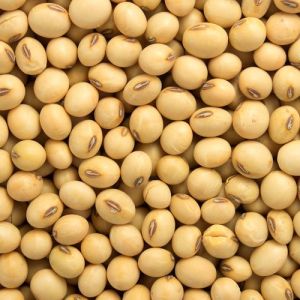
Protein : 40%
Moisture : 13%
Fat/Oil : Max 1.5%
Fiber : Max 6%
Sand/Silica : Max 2-2.5%
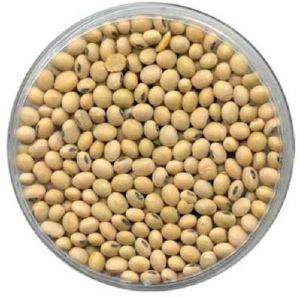
Calcium : 27%
Iron : 87%
Magnesium : 70%
Vitamin C : 10%
Calories (per 100 g) : 446
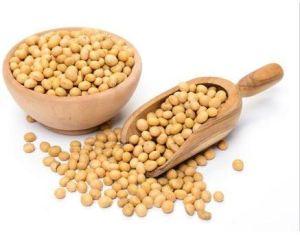
Fat per 20 g : 30%
Potassium per 1,797 mg : 51%
Carbohydrate per 30 g : 10%
Dietary fiber per 9 g : 36%
Protein per 36 g : 72%
Global interest in plant-based proteins continues to elevate the importance of soybeans in international commerce, connecting growers in India with importers across continents. By participating in established export networks, suppliers can introduce their carefully selected seeds to markets in Europe, Asia, Africa, and the Americas. This worldwide reach encourages ongoing improvements in cultivation methods, post-harvest handling, and documentation, allowing the industry to expand responsibly while honoring the agricultural heritage that has shaped soybean production for generations.
Quality control throughout the soybean supply chain begins in the field and continues through cleaning, grading, and packaging at modern processing facilities. Producers pay close attention to seed size, moisture content, and purity, ensuring that each batch meets recognized standards before it reaches wholesale buyers. Visual inspection and careful handling help preserve germination potential and cooking characteristics, which are essential for buyers who rely on uniform performance whether the soybeans are destined for sowing, roasting, or further processing into value-added goods.
Within the broader category of organic agro products, soybean seeds fit naturally alongside complementary commodities such as Bengal gram, wheat, maize, and assorted flour and meal derivatives. This interconnected product range supports both domestic consumption and international trade, giving suppliers the flexibility to serve multiple market segments from a single production base. By offering a diverse portfolio rooted in agricultural tradition, producers can respond to evolving consumer preferences while maintaining consistent quality across their entire seed and grain offering.
The nutritional composition of soybeans is what distinguishes them from many other seeds, giving them a respected place in food, feed, and industrial applications. A typical serving delivers a meaningful share of plant-based protein along with dietary fiber and complex carbohydrates, supporting balanced diets and varied culinary traditions. The natural oils and micronutrients present in the beans further enhance their value, making them suitable for everything from whole-grain recipes to ingredient formulations used by food manufacturers around the world.
Soybean seeds are among the most versatile legumes cultivated in modern agriculture, prized for their rich nutritional profile and adaptability to diverse growing conditions. As a cornerstone crop in many cropping rotations, soybeans contribute valuable organic matter to the soil while offering a dependable harvest for processors and distributors. Their compatibility with sustainable and conventional farming systems alike makes them a reliable choice for producers seeking both yield and environmental stewardship across regional climates and soil types worldwide.
Contact Us
SETHI GROUP OF COMPANIES
57, Bhavani Mata Road, Khandwa, Madhya Pradesh - 450001, India
Mobile : +91-8718811605
