
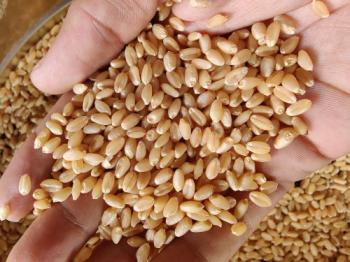
Broken Ratio : 3-5%
Colour : Golden
Purity : 100 %
Moisture : 10-12 %
Scientific name : Triticum
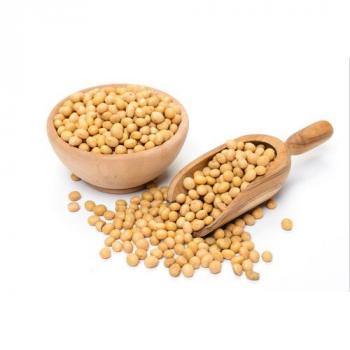
Protein : 40%
Moisture : 13%
Fat/Oil : Max 1.5%
Fiber : Max 6%
Sand/Silica : Max 2-2.5%
Contact Us
SETHI GROUP OF COMPANIES
57, Bhavani Mata Road, Khandwa, Madhya Pradesh - 450001, India
Mobile : +91-8718811605
Certified seeds form the backbone of reliable agricultural production, offering farmers assurance of genetic purity, high germination rates, and consistent field performance. Sourced from carefully managed foundation stages and grown under strict protocols, certified seed lots are inspected and tagged so that each generation carries forward the desired traits. For growers cultivating soybean, wheat, maize, bengal gram, or oilseed crops, this traceability translates into more uniform stands, predictable maturity, and ultimately stronger harvests that can meet the expectations of wholesale buyers and processing industries alike.
The pathway from breeder seed to certified status involves several multiplication generations, each supervised to prevent varietal mixtures and protect seed health. Field inspections evaluate isolation distances, rogue off-types, and overall crop condition, while laboratory testing confirms moisture content, germination percentage, and physical purity. Conditioning plants clean, grade, and treat the seed before bagging, ensuring that the final product reaches users free from inert matter, weed seeds, and seed-borne pathogens. This disciplined chain of custody reinforces confidence in every bag that leaves the facility.
For organic agro producers, certified seed selection is especially important because the crop is destined for sensitive markets that demand transparency. Choosing seed produced under organic-compliant conditions helps maintain the integrity of the eventual grain or meal, supporting premium positioning across export channels. When paired with appropriate agronomic practices, certified organic seed contributes to soil-friendly rotations, resilient plant populations, and end products that satisfy the evolving expectations of food manufacturers, flour millers, and oil processors worldwide.
Buyers evaluating seed suppliers often weigh factors such as varietal suitability for local climates, availability across multiple crops, packaging flexibility, and the supplier's capacity to ship in container loads for overseas destinations. A well-organized certified seed program offers detailed product information, declarations of generation class, and supporting documentation that simplifies customs clearance and quality audits. Working with experienced Indian exporters streamlines logistics, while consistent quality year after year builds the long-term partnerships that regional importers and wholesale distributors rely upon.
