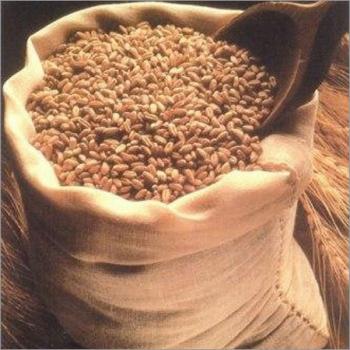
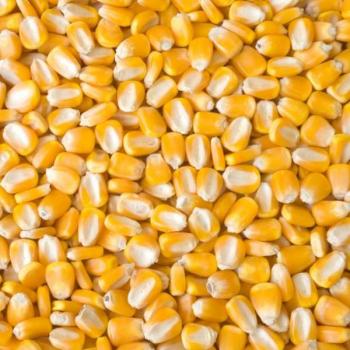
Organic agro products form a wide and versatile category that touches many kitchens and supply chains around the world. From soybean seeds and bengal grams to wheat, maize, and a range of multigrain flours, these goods are valued for their role in everyday cooking and food manufacturing. The emphasis on organic cultivation reflects a broader shift among producers and buyers toward crops that are grown with attention to soil health, natural ripening, and minimal reliance on chemical additives. This approach helps position Indian agro producers as reliable sources within regional and international markets that prioritize traceability and clean ingredient stories alongside consistent quality and dependable availability throughout the year.
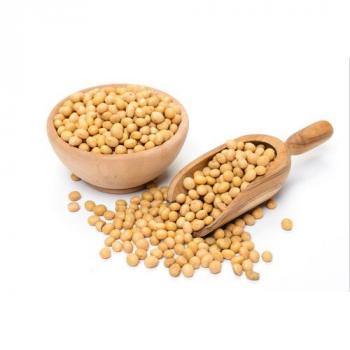
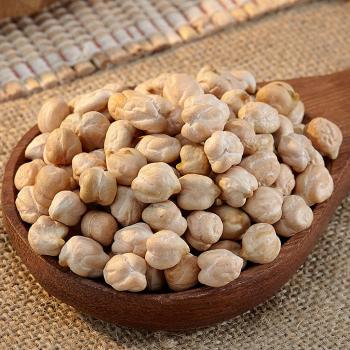
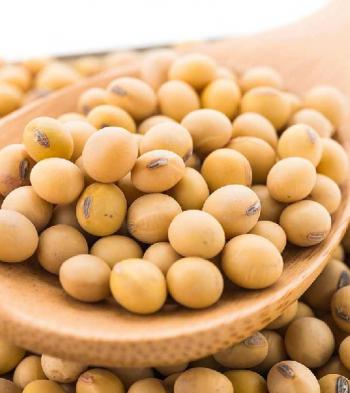
Within the soybean segment, seeds are typically graded by moisture, oil content, and purity, all of which influence their suitability for oil extraction, flour milling, or direct culinary use. Bengal grams, often referred to as chana or chickpeas, are similarly sorted by size and color to meet the standards expected by wholesalers, food processors, and retail packers. Whole and dehulled varieties each serve distinct purposes in snack production, flour blending, and traditional recipes. By maintaining consistent grading and handling practices, suppliers can offer buyers predictable performance in everything from extruded snacks to protein-rich flour blends used in baked goods and convenience foods across both domestic and export destinations.
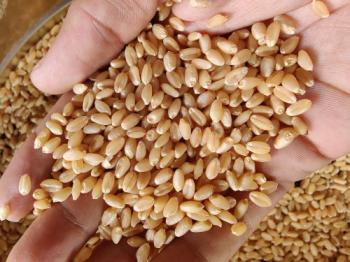
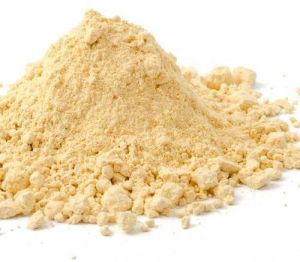
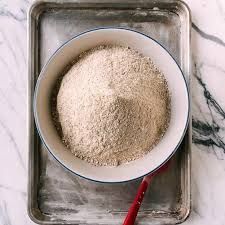
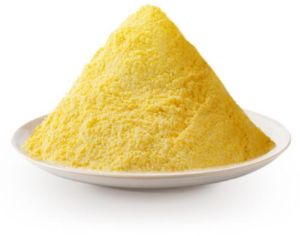
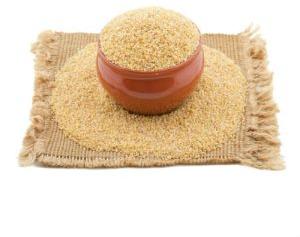
Cereal-based flours such as soy flour, multigrain atta, maize flour, and wheat dalia round out the typical portfolio of an agro product supplier. Multigrain formulations are often developed to balance protein, fiber, and carbohydrate content, supporting products marketed for their nutritional profile. Sand silica levels, total ash, moisture, and fat values are part of routine quality checks that help ensure flour behaves predictably during processing. Packaging formats commonly include durable packets suited to wholesale and retail distribution, with shelf life considerations guiding storage recommendations. Together, these categories illustrate how a single supplier can serve bakers, food companies, and institutional buyers with interconnected ingredient solutions.