Business Type : Manufacturer, Exporter, Supplier, Retailer
Product Details
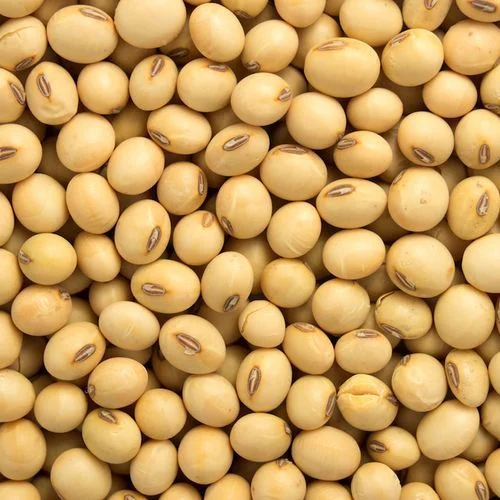
| Protein | 40% |
| Moisture | 13% |
| Fat/Oil | Max 1.5% |
| Fiber | Max 6% |
| Sand/Silica | Max 2-2.5% |
| Imperfect | 2% max |
| Impurity | 0.1%max |
Preferred Buyer From
| Location | Anywhere in India |
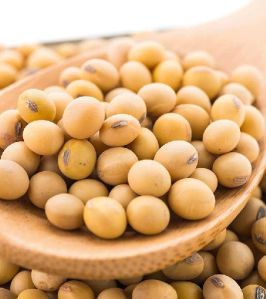
Soybean seeds are a cornerstone of modern agriculture, valued for their adaptability across diverse climates and their central role in food, feed, and industrial supply chains. Within the organic agro products category, soybeans stand out because they deliver plant-based protein alongside crop rotation benefits that support soil health. Growers and processors alike favor varieties that balance yield stability with consistent quality traits, allowing them to serve wholesale buyers who require reliable bulk volumes. As global interest in plant-forward ingredients continues to grow, soybean seeds remain a strategic commodity for producers linking Indian farms to international markets.</item>
Quality specifications shape how soybean seeds are evaluated from the field through to export-ready lots. Parameters such as protein content, moisture limits, fat and oil composition, fiber levels, and impurity percentages help define grade suitability for milling, crushing, or direct food use. Cleanliness, measured through sand and silica thresholds, and the share of imperfect grains further influence processing decisions and end-product performance. Standardized documentation of these traits gives buyers confidence that shipments will meet their operational requirements, whether the destination is a domestic processor or an overseas importer working with Indian exporters.</item>
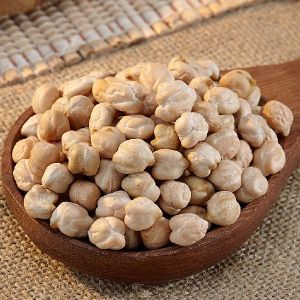
India has built a strong reputation as a sourcing hub for organic agro products, supported by a network of manufacturers, exporters, suppliers, and retailers operating across multiple states. Agricultural diversity across regions allows producers to cultivate soybeans, bengal grams, wheat, maize, and oilseeds alongside one another, creating flexible supply options for buyers. Export-oriented businesses often integrate farmer contracts, cleaning facilities, and quality testing into a single workflow, simplifying procurement for wholesale clients. This integrated approach is one reason Indian suppliers are frequently approached by trading partners across Africa, Europe, the Americas, and Asia.</item>
Manufacturing environments play a quiet but important role in shaping buyer perceptions of organic agro products. Modern facilities typically combine mechanical sorting, gravity cleaning, and optical sorting lines to remove foreign material and damaged grains before packaging. Warehousing practices, including moisture-controlled storage and clear batch labeling, help preserve the nutritional profile of seeds and pulses over time. Documentation such as certificates of analysis and phytosanitary records supports smooth customs clearance. While processes vary by supplier, the underlying goal remains consistent: delivering uniform, traceable ingredients that meet the standards expected by importers and industrial users alike.</item>
For wholesale buyers, the journey from initial enquiry to recurring supply depends heavily on clear communication and dependable logistics. Many Indian exporters handle both inland transportation and international freight, allowing clients to coordinate shipments through a single point of contact. Responsiveness to specification changes, packaging preferences, and delivery schedules often distinguishes long-term partners from short-term transactions. As interest in organic and conventionally grown oilseeds, pulses, and flours expands, the relationship-driven nature of the trade continues to be a defining feature of the Indian agro export landscape.</item>